
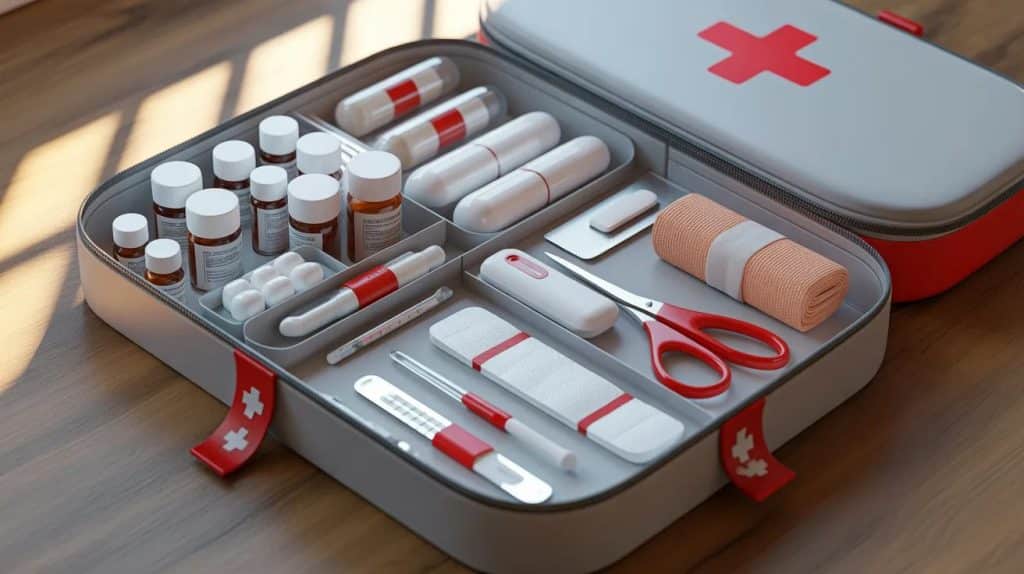
Most preppers obsess over food storage and water filtration but completely ignore medical preparedness. That’s a huge mistake. The average American lives about 15 minutes from urgent care and assumes medical help is always available.
But hurricanes, earthquakes, pandemics, and infrastructure failures prove that assumption wrong pretty regularly. When hospitals get overwhelmed or roads become impassable, knowing how to handle medical emergencies yourself becomes critical.
Having medicine for preppers stockpiled is important, but its only half the equation. You also need medical knowledge, decision-making skills under pressure, and realistic expectations about what you can and cant treat safely. This guide covers the practical aspects of medical self-reliance when professional healthcare is temporarily out of reach.
Why Medical Preparedness Gets Ignored
Food, water, and security dominate prepper conversations. Medical supplies get mentioned but rarely get serious attention. The reason is pretty obvious – medical preparedness is complicated, expensive, and requires dealing with prescription medications that aren’t easy to stockpile legally.
People assume emergencies wont last long enough for medical issues to matter, or that they’ll figure it out when the time comes.
The other problem is that medicine for preppers requires ongoing education. You cant just buy supplies and forget about them. You need to understand what medications do, recognize medical conditions, and know when situations exceed your capability to handle safely.
Building Medical Knowledge Before Stockpiling
Knowledge matters way more than supplies. You can have a garage full of medicine for preppers, but without understanding how to use it, you’re basically useless or even dangerous.
Take wilderness first aid or EMT basic training if possible. These courses teach medical assessment and treatment with limited resources – exactly what you’ll face when doctors are unavailable. Regular first aid classes assume paramedics arrive in 10 minutes, which doesn’t help for extended emergencies.
Learn to differentiate viral from bacterial infections since this determines whether antibiotics work. Study wound care beyond basic bandaging. Understand vital signs and what they indicate – fever patterns, respiratory rates, heart rates, blood pressure.
Get comfortable with medical terminology so you can research effectively. Read books like “Where There Is No Doctor” or “The Survival Medicine Handbook” written specifically for remote medical care without modern healthcare access.
Core Medicine Categories Every Prepper Needs
Build your medicine for preppers stockpile by categories rather than random items. Each category addresses different medical problems.
- Pain and Fever Management – Stock both ibuprofen and acetaminophen in large quantities. These handle headaches, post-injury pain, and dangerous fevers. Buy warehouse-sized bottles because you’ll use them faster than expected. Include topical pain relievers for muscles and joints.
- Infection Prevention and Treatment – Emergency antibiotics for preppers is critical here. Stock topical antibiotic ointments at minimum, and oral antibiotics if you can obtain them legally through a doctor. Keep antiseptic solutions like iodine or chlorhexidine for cleaning wounds.
- Gastrointestinal Issues – Anti-diarrhea medication, anti-nausea drugs, antacids, and laxatives cover most digestive problems. Food poisoning and water-borne illnesses increase when infrastructure breaks down.
- Respiratory Problems – Decongestants, cough suppressants, expectorants, and antihistamines handle most respiratory symptoms. If anyone has asthma, stockpile extra inhalers.
- Wound Care Supplies – Sterile gauze, medical tape, butterfly closures, hemostatic agents for serious bleeding, elastic bandages, and splinting materials. Injuries are the most likely medical issue in disasters.
Smart Antibiotic Planning in Medicine for Preppers
Let’s talk honestly about antibiotics for preppers. Bacterial infections can kill if untreated, which is why this topic gets so much attention. But obtaining them legally is complicated.
Work with a doctor who understands preparedness concerns. Some doctors prescribe an antibiotic kit for preppers if you explain legitimate scenarios – remote living, extended wilderness activities, international travel to areas with limited healthcare.
A basic antibiotic kit for preppers should include amoxicillin for general bacterial infections, azithromycin as a penicillin alternative, ciprofloxacin for urinary and GI infections, and doxycycline for tick-borne diseases. These four cover most bacterial infections you’ll encounter.
Whatever route you take, learn to use antibiotics properly. Wrong antibiotics, incorrect doses, or stopping treatment early make infections worse and create resistant bacteria.
Prescription Medications and Chronic Conditions
Daily prescription medications create unique challenges for medicine for preppers. Diabetics need insulin, people with high blood pressure need their meds, those with severe allergies need EpiPens – without these, situations become life-threatening fast.
Get 90-day prescriptions instead of 30-day supplies when possible. Many insurance companies allow this, helping build a rotating stockpile. Use older supplies first while keeping new prescriptions in storage.
For critical medications, some doctors write disaster preparedness prescriptions if you explain the situation. They might prescribe extra supplies you pay for out-of-pocket as emergency backup.
Research medication storage requirements carefully. Some need refrigeration or specific temperatures. Others degrade quickly and need frequent rotation. Plan accordingly.
Over-the-Counter Medicines Worth Stockpiling
While prescriptions get attention, over-the-counter drugs handle most day-to-day medical issues. Your medicine for preppers stockpiles needs generous quantities since they’re legal to store in bulk.
Antihistamines like Benadryl treat allergies and work as sleep aids. Get both drowsy and non-drowsy types. Hydrocortisone cream handles rashes, bug bites, and skin irritation. Eye drops address irritation and dryness.
Oral rehydration salts are crucial but overlooked. Dehydration from illness, heat, or exertion becomes dangerous without IV fluids. These salt and sugar packets, when mixed with water, save lives.
Aspirin serves double duty – pain relief and heart attack response. Chewing aspirin during heart attack symptoms reduces damage.
Zinc lozenges and vitamin C may reduce the duration of colds. Probiotics maintain gut health, especially when taking antibiotics. Quality multivitamins provide nutritional insurance when food variety is limited.
Medical Tools Beyond Medications
Medicine for preppers isn’t just pills. You need tools to assess conditions and provide treatment.
A digital thermometer is essential; fever patterns help distinguish viral from bacterial infections. A blood pressure cuff and a stethoscope monitor cardiovascular issues. A pulse oximeter measures oxygen saturation and heart rate to help diagnose respiratory problems.
Basic surgical instruments such as forceps, hemostats, and scalpels have legitimate uses in serious wound care. Take training courses before buying these – suturing classes or wilderness medicine with hands-on practice.
Splinting materials are used to treat broken bones and serious sprains. Tourniquets can save lives from severe bleeding, but most people apply them incorrectly causing damage. Get proper training first.
Alternative Medicine Options
When discussing medicine for preppers, alternative approaches deserve mention because prescription and OTC medicines eventually run out. Natural remedies won’t replace antibiotics for serious infections, but they have legitimate uses.
Raw honey has antibacterial properties for wound care. Applied topically, it prevents infection and promotes healing. It also soothes sore throats and coughs.
Garlic contains allicin with antimicrobial effects. Some take concentrated garlic supplements at the onset of an infection.
Herbal teas like chamomile, ginger, and peppermint address nausea, inflammation, digestive issues, and anxiety. These won’t cure pneumonia but make people more comfortable.
Activated charcoal treats poisoning and some diarrhea types. Tea tree oil has antimicrobial properties for topical use. But oils don’t replace real medicine for serious conditions.
Creating Your Urgent Care Emergency Kit
Your urgent care emergency kit needs organization, accessibility, and comprehensive coverage for common emergencies without professional help. That’s the core principle behind smart medicine for preppers, which is planning for real-world problems, not just worst-case scenarios.
Use large plastic bins or tackle boxes with compartments. Label everything clearly because stressed people dont remember what medications look like. Color coding helps.
Keep medical reference guides inside. Print dosing charts for medications, especially weight-based doses for kids. Include symptom guides for common condition diagnosis.
Make a master inventory list and tape it inside the lid. Check items as you use them so you know what needs restocking. Set reminders to review every six months – check expirations, replace used items, rotate approaching-expiration medications.
Store kits somewhere climate-controlled and accessible. Extreme temperatures degrade medications fast. Hall closets work better than garages or attics.
Training Family Members
Having medicine for preppers means nothing if youre the only person who knows how to use it. What if you’re injured or sick? Cross-training family members is critical.
- Teach basic first aid to everyone old enough to understand. Kids as young as 10 can learn wound cleaning and bandaging, recognize serious symptoms, and know when to get help.
- Run practice scenarios where different family members play medic. Make it realistic – build muscle memory for high-stress situations.
- Create simple protocols for common emergencies. “If fever over 102°F, give this medication at this dose, monitor every 4 hours, watch for these warning signs.” Make these foolproof.
When to Admit You Need Professional Help
Preparation matters. But even the best medicine for preppers setup has limits. Knowing where those limits are can save a life.
Severe trauma, major uncontrollable bleeding, suspected internal injuries, difficulty breathing, chest pain, severe allergic reactions with throat swelling – these need professional care immediately if available. Keep people stable until you reach help.
High fevers not responding to medication, persistent vomiting or diarrhea causing dehydration, severe abdominal pain, confusion – these are red flags beyond common infections.
If treating with preppers antibiotics or other medicines and the person worsens after 48-72 hours, reassess. Either diagnosis was wrong or treatment isnt working.
Plan now for seeking help during emergencies. Know nearest hospital locations, routes to get there, and backups if roads are blocked. Have communication plans if phones are down.
Smart Limits for Medicine Storage
Stockpiling medicine for preppers raises ethical questions. Hoarding prescription medications creates shortages for people who need them now. Balance reasonable preparedness against excessive stockpiling.
Keep quantities appropriate for family size and legitimate needs. A 3-6 month supply of critical medications makes sense. A 5-year supply when others cant fill monthly prescriptions is selfish.
Never share prescriptions outside immediate family unless its genuine life-or-death emergencies. What works for you might be dangerous for others due to allergies, interactions, or different conditions.
Understand that practicing medicine without a license is illegal. Basic first aid is fine. Diagnosing conditions, prescribing treatments, and performing procedures crosses legal lines.
Final Thoughts
Building competency in medicine for preppers is a long-term process, not a weekend project. Start with the basics and gradually expand knowledge and supplies.
Focus on likely scenarios first. You probably won’t perform surgery, but you might treat infections or manage chronic conditions without doctors. Prioritise skills and supplies addressing common problems.
Medical preparedness supports self-reliance but doesn’t replace professional healthcare. The goal is to have options when normal care is temporarily unavailable.
Most importantly, take care of your health now so you need less medicine for preppers later. Exercise, eat reasonably, manage stress, and address medical issues before they become chronic. The healthiest prepper needs the least medical intervention.
Frequently Asked Questions
Q1: How do I legally stockpile prescription medications for emergency preparedness?
Work with your doctor and be honest about preparedness goals. Ask about 90-day prescriptions instead of 30-day supplies to build rotating stockpiles. Some doctors write disaster preparedness prescriptions for critical medications if you explain legitimate scenarios. Pay out-of-pocket for extra supplies if insurance wont cover them. Rotate stock by using older medications first. Never lie about symptoms – that’s illegal and unethical. Focus on legal prescriptions for medications you actually need.
Q2: What emergency antibiotics for preppers should I prioritize with limited supply?
Prioritize amoxicillin, azithromycin, and ciprofloxacin if you can only stockpile a few antibiotics. Amoxicillin handles most common bacterial infections including respiratory and ear infections. Azithromycin works for people allergic to penicillin and treats respiratory infections well. Ciprofloxacin covers the urinary tract and some gastrointestinal infections. These three cover about 80% of bacterial infections you’re likely to encounter. Add doxycycline if you spend time outdoors since it treats tick-borne diseases.
Q3: How long does medicine for preppers actually stay good in storage?
Most medications remain effective 1-5 years past expiration dates if stored properly in cool, dry, dark conditions. Military studies showed many drugs stayed potent for decades. However, some degrade faster – liquids go bad quicker than tablets, and certain antibiotics like tetracyclines can become toxic. Store in original sealed containers at stable room temperature (59-77°F). Avoid garages, attics, bathrooms where temperature and humidity fluctuate. Check every 6 months for color, smell, or texture changes. Rotate critical medications every 2-3 years.
Q4: Is it safe to use fish antibiotics or veterinary medications in emergencies?
Fish antibiotics are chemically identical to human antibiotics but not FDA-regulated for human consumption. No guaranteed purity, accurate dosing, or safety standards. Medical professionals strongly advise against them. However, some preppers keep fish antibiotics as absolute last-resort backups for survival scenarios where no medical care exists and bacterial infection could be life-threatening. Risks include contamination, incorrect dosages, and lack of medical guidance. Properly prescribed human antibiotics should always be first choice.
Q5: What medical skills should I learn beyond just stockpiling medicine for preppers?
Take wilderness first aid or EMT basic training for medical assessment and treatment with limited resources. Learn vital sign recognition and interpretation. Study wound care including cleaning, closing, and dressing injuries. Practice blood pressure checks, pulse and respiratory rates, proper thermometer use. Learn to differentiate bacterial from viral infections. Get comfortable with basic suturing on practice pads. Study common conditions through books like “Where There Is No Doctor.” Practice mixing oral rehydration solutions and administering proper medication doses. Knowledge matters more than stockpile size.