
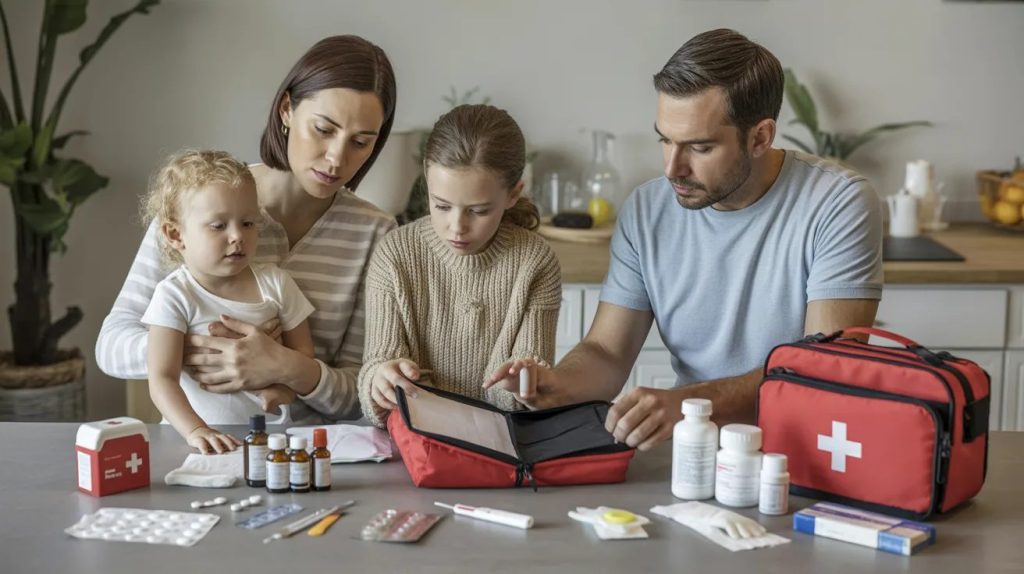
Look, nobody plans to get sick or hurt, but it happens all the time. Having an emergency meds kit means you’re ready for those unexpected moments. Maybe someone gets a headache in the middle of the night, or your kid falls and scrapes their knee while playing outside. These situations are super common and having supplies on hand just makes life easier.
A lot of families think they can just grab stuff from the bathroom cabinet when needed, but thats not always enough. A proper medical emergency kit keeps everything organized in one place so you dont waste time searching around during an emergency.
In this article, we’ll talk about the most essential items that should be in every family’s emergency meds kit to keep everyone safe and prepared.
Basic Supplies Every Emergency Meds Kit Should Have
Let’s start with the basics that literally everyone should have. Your emergency meds kit needs bandaids in different sizes because cuts and scrapes happen constantly. Get some gauze pads and medical tape too for bigger wounds. Antiseptic wipes or hydrogen peroxide are really important for cleaning cuts before you cover them up.
You also need tweezers for splinters, scissors for cutting tape or bandages, and a thermometer to check if someone’s running a fever. Disposable gloves are good to have because they keep things clean when you’re helping someone who’s bleeding.
Don’t forget instant cold packs for bumps and sprains. These work without needing a freezer which is super helpful. An ace bandage or two can help with twisted ankles or wrist injuries.
Medicine Essentials for Your Emergency Medicine Pack
Now for the actual medicines. Pain relievers are probably the most used items in any emergency medicine pack. Keep both ibuprofen and acetaminophen because they work differently and some people can’t take one or the other.
Antihistamines like Benadryl are really useful for allergic reactions, bug bites, or even just helping someone sleep who’s sick. Hydrocortisone cream helps with itchy rashes and bug bites. Antacid tablets are good for stomach problems.
If anyone in your family gets motion sickness, throw some dramamine in there. Cough syrup and throat lozenges are helpful during the cold season. Some people also keep anti-diarrhea medicine because stomach bugs are the worst.
A tube of antibiotic ointment like Neosporin should definitely be in your urgent care emergency kit. It helps prevent infections in cuts and scrapes, which is super important especially for kids who play outside alot.
Special Items for a Child’s Medical Emergency Kit
If you have kids, your emergency meds kit needs some extra stuff. First of all, make sure you have children’s versions of medicines with the right dosages. Adult strength medicine can be dangerous for little kids.
A emergency medicine kit for kids should have a nasal aspirator for babies who can’t blow their noses yet. Children’s pain reliever in liquid form is easier to give than pills. Keep a medicine syringe or dropper for measuring doses accurately.
Teething gel can be a lifesaver for babies and toddlers. Band-aids with fun characters make boo-boos less scary for young kids. You might also want to add some oral rehydration solution for when kids get sick and need extra fluids.
For your child’s medical emergency kit, include any prescription medicines they take regularly, plus extras in case you can’t get to the pharmacy right away. If your kid has asthma, make sure there’s a backup inhaler. For allergies, keep an extra EpiPen if they need one.
What About an Emergency Antibiotics Kit?
This is kinda tricky. A lot of people ask about having a emergency antibiotics kit at home, but here’s the thing – you actually need a prescription for antibiotics in most places. You can’t just buy them and keep them around.
However, some people who go camping a lot or travel to remote areas talk to their doctors about getting a antibiotics emergency kit for emergencies. If you’re planning a trip somewhere far from medical care, it might be worth asking your doctor if they can prescribe some antibiotics to take along just in case.
For most families though, focus on having over-the-counter stuff in your urgent care emergency kit instead. Things like antibiotic ointment for cuts are available without prescriptions and work great for preventing infections on the outside of your body.
Organizing Your Medical Emergency Kit
Okay so you got all this stuff, now what? Keep your emergency meds kit in a clear plastic container or a tackle box so you can see everything easily. Label it clearly so everyone in the family knows where it is.
Store your medical emergency kit somewhere that’s easy to reach but away from little kids. A high shelf in the bathroom or kitchen works well. Make sure it’s not in a super hot or cold place because that can mess up the medicines.
One smart thing to do is make a small emergency medicine kit for kids to keep in your car too. Just basics like bandaids, pain reliever, and antibiotic cream. You never know when someone’s gonna need something while your out.
Keeping Everything Fresh and Updated
Here’s something people forget – medicines expire! Check your emergency meds kit every six months or so and throw out anything that’s past its expiration date. Old medicine might not work right or could even be harmful.
Replace anything you use right away so your kits are always fully stocked. After flu season or summer when kids are outside more, do a quick check to see what needs refilling.
Keep a list inside your emergency meds kit of what should be in there. This makes it super easy to see if your missing something. You can also write down important phone numbers like poison control or your doctors office.
Extra Stuff That’s Really Helpful
Some other things that aren’t exactly medical but are still useful: a flashlight with extra batteries in case the power goes out, an emergency blanket (those shiny metallic ones), and a first aid manual if you want to reference something quickly.
Safety pins can hold bandages or slings in place. A small notepad and pen lets you write down symptoms or when you gave someone medicine. Hand sanitizer is always good to have around.
If anyone in your family has specific medical conditions, customize your emergency meds kit for their needs. Diabetics might need glucose tablets, people with heart conditions might need aspirin, stuff like that.
Final Thoughts
Having a good emergency meds kit ready at home just makes sense. It doesnt cost that much to put one together, and it gives you peace of mind knowing your prepared for common medical situations. You dont need fancy expensive stuff – just the basics that actually get used.
Start with the essentials and build from there. Even a small emergency medicine pack is better than nothing. The important thing is having supplies ready before you need them, not scrambling around when someone’s hurt or sick.
Take some time this weekend to put together your emergency meds kit or check the one you already have. Your future self will thank you when someone needs a bandaid at 2am or gets a headache on a Sunday when the stores are closed. Being prepared isn’t about being paranoid, it’s just being smart and taking care of your family.
Frequently Asked Questions
Q1: How much does it cost to put together a basic emergency meds kit?
You can actually make a decent emergency meds kit for around $30-50 if you shop smart. Generic brands work just as good as name brands and cost way less. Start with the most important stuff like bandaids, pain relievers, and antibiotic ointment, then add more items over time. You don’t have to buy everything at once – just grab a few things each time you go shopping and your medical emergency kit will build up pretty quick.
Q2: Where should I keep my emergency medicine pack at home?
The best spot for your emergency medicine pack is somewhere thats easy for adults to reach but not accessible to young kids. A high shelf in the bathroom or kitchen closet works really well. Just make sure its not in a super hot place like near the stove or in direct sunlight because heat can ruin medicines. Also keep it away from really cold areas. Room temperature is perfect for most medical supplies.
Q3: Do medicines in my emergency meds kit really expire?
Yeah, they definitely do expire and you should pay attention to those dates. Expired medicine might not work as well or could even be harmful in some cases. Check your emergency meds kit every 6 months and toss anything thats past its date. Pain relievers, antihistamines, and ointments all have expiration dates printed on them. Its annoying to replace stuff but its way better than using something that doesnt work when you really need it.
Q4: What’s the difference between a child’s medical emergency kit and a regular one?
A child’s medical emergency kit has medicines in kid-friendly doses and forms. Liquid medicines are easier for kids to take than pills, and the dosages are adjusted for smaller bodies. You also want fun bandaids with characters, a nasal aspirator for babies, and maybe teething gel if you have little ones. Plus any special prescriptions your kid takes regularly. The basic supplies like gauze and tape are the same, but the medicines need to be age-appropriate because adult doses can be dangerous for children.
Q5: Can I really have antibiotics in my emergency antibiotics kit without seeing a doctor?
Not really, no. In most countries you need a prescription to get antibiotics, so you cant just buy them and stock up. However, what you CAN do is talk to your doctor if your planning to travel somewhere remote or go on a long camping trip. Some doctors will prescribe a emergency antibiotics kit for situations where you wont have access to medical care. For everyday home use though, focus on over-the-counter antibiotic ointments for cuts and scrapes – those work great and dont need prescriptions.