
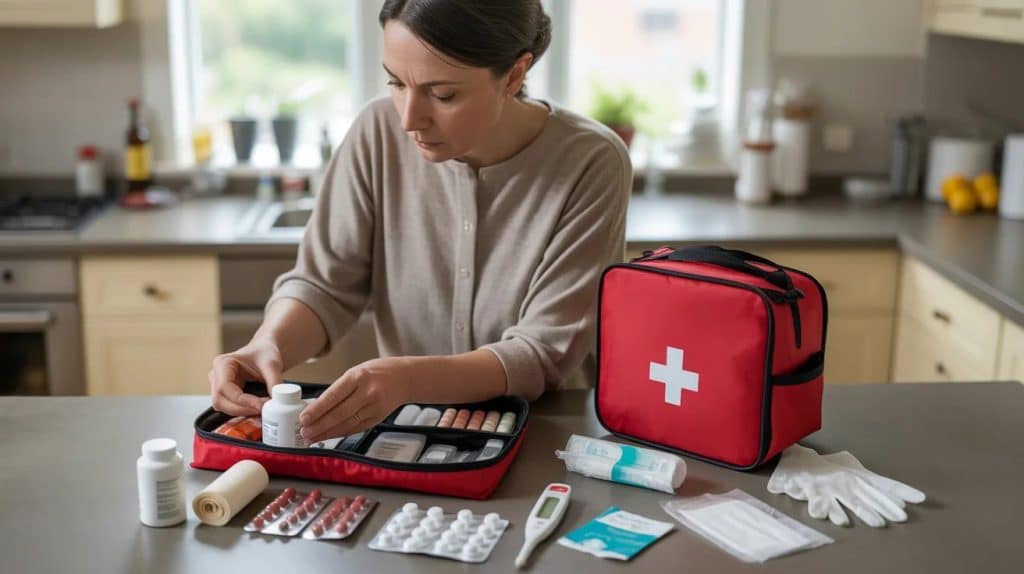
Here’s something most people don’t realize until they start researching emergency preparedness – antibiotics are prescription-only medications, which makes building a antibiotics emergency kit way more complicated than just going shopping.
You can’t walk into Walmart and buy amoxicillin like you would buy aspirin. This confuses a lot of first-time preppers who see “antibiotics” on emergency supply lists and assume they’re easy to get.
The reality is messier. Some people work with their doctors to obtain prescription antibiotics for legitimate preparedness reasons, while others explore alternatives that don’t require a prescription.
This guide covers everything you need to know about legally and safely setting up medical kits with antibiotics, whether you’re preparing for natural disasters, traveling in remote areas, or simply stocking backup supplies for your family.
Understanding Why People Want an Antibiotics Kit
The whole idea behind a antibiotics emergency kit makes sense when you think about it. Bacterial infections can get serious fast if left untreated. In normal times, you just go to urgent care and get prescribed whatever you need. But what if there’s a natural disaster and hospitals are overwhelmed? What if you’re camping in the backcountry days away from civilization?
These aren’t totally paranoid scenarios. Hurricane Katrina, major earthquakes, and extended power outages – these events actually happen and can cut people off from normal medical care for days or even weeks. During those times, having antibiotics on hand could prevent a minor infection from becoming life-threatening.
That’s why preppers, wilderness enthusiasts, and people in disaster-prone areas think seriously about keeping survival kit antibiotics as part of their emergency supplies.
The Legal Reality of Getting Antibiotics Emergency Kit
Okay so here’s the deal – in the United States and most developed countries, antibiotics kit require a prescription. Period. You cannot legally buy them over the counter at pharmacies. This is actually a good thing because antibiotic resistance is a huge problem.
Some doctors are willing to prescribe an antibiotics emergency kit for preparedness if you explain your situation honestly. This works best if you have legitimate reasons like extended wilderness trips far from medical care, living in extremely remote areas, or traveling to developing countries with limited healthcare.
Your doctor might prescribe a survival medical kit antibiotics supply if they understand your reasoning and think its medically appropriate. They probably won’t give you a huge stockpile, but they might prescribe a small amount for genuine emergency use.
What About Fish Antibiotics?
This is where things get controversial. Some people in the prepper community talk about using fish antibiotics, which are the same chemical compounds as human antibiotics but marketed for aquarium use. These don’t require prescriptions and are available online or at pet stores.
Here’s what you need to know – yes, fish amoxicillin is chemically identical to human amoxicillin. However, fish antibiotics are not FDA-regulated for human consumption, so there’s no guarantee of purity, dosage accuracy, or safety standards.
Using a fish antibiotics emergency kit is risky medically. I’m not recommending it, but I’m also not gonna pretend people don’t do this for their survival kit with antibiotics. Quality control is questionable, dosing information is minimal, and you’re basically self-medicating without medical supervision.
Most medical professionals would say this is a terrible idea. But in a true emergency where no other medical care exists? People make their own risk assessments.
Building a Prescription-Based Antibiotics Emergency Kit
If you’ve worked with your doctor and obtained legitimate prescriptions for emergency antibiotics, here’s how to set up your kit properly.
Different antibiotics treat different types of infections. You want variety in your antibiotics emergency kit to cover common bacterial infections:
- Amoxicillin or Augmentin – Broad-spectrum antibiotics good for respiratory infections, ear infections, sinus infections, and some skin infections.
- Azithromycin (Z-pack) – Works for respiratory infections and is a good alternative if someone is allergic to penicillin.
- Ciprofloxacin – Handles urinary tract infections and some gastrointestinal infections.
- Doxycycline – Treats tick-borne diseases like Lyme disease, which matters if you’re spending time outdoors. Also works for some respiratory and skin infections.
Ask your doctor which specific antibiotics emergency kit makes sense for your situation based on your medical history, known allergies, and what scenarios your preparing for.
Proper Storage for Medical Kits With Antibiotics
Antibiotics don’t last forever, and improper storage makes them degrade faster. If you’re building emergency medical kits with antibiotics, storage matters a lot.
Keep antibiotics emergency kits in their original prescription bottles with all the labeling intact. Store your survival medical kit antibiotics in a cool, dry, dark place. Heat, moisture, and light all break down antibiotics faster. A climate-controlled closet works way better than a garage or bathroom.
Try to keep antibiotics between 59-77 degrees Fahrenheit. Extreme heat or freezing temperatures can ruin them. Tablets generally last longer than liquids. Liquid antibiotics often need refrigeration and have much shorter shelf lives, so they’re not ideal for long-term emergency storage.
Understanding Expiration Dates for Antibiotics Emergency Kit
This confuses everyone – do antibiotics actually go bad after their expiration date or is that just a suggestion?
The truth is complicated. Studies show that many antibiotics remain effective for years past their expiration dates if stored properly. However, some antibiotics do degrade significantly after expiring. Tetracycline family antibiotics can become toxic when they break down, which is actually dangerous.
For an antibiotics emergency kit, here’s a reasonable approach:
- Replace antibiotics every 2-3 years if possible
- Check them regularly for any changes in color, smell, or texture
- Never use tetracycline-family antibiotics past their expiration date
Rotate your stock by using older antibiotics for actual infections when you get them, then refilling your emergency supply with fresh prescriptions.
What Else Goes in Survival Kit Antibiotics Packages?
A complete antibiotics emergency kit isn’t just the pills themselves. You need supporting supplies and information to use them properly.
Include a basic medical reference guide or printouts about antibiotic dosing, which infections each antibiotic treats, potential side effects, and drug interactions. When doctors aren’t available, having written information helps you make informed decisions.
Add a thermometer to monitor fevers. Keep wound care supplies with your antibiotics – sterile gauze, antiseptic, medical tape, and gloves. Many infections requiring antibiotics start as wounds that get infected.
Include copies of medical histories and known drug allergies for everyone in your family. Antibiotic allergies can be life-threatening, so this information is critical.
Dosing and Using Antibiotics Safely
This is serious stuff – antibiotics can save lives but they can also cause harm if used incorrectly. If your building an antibiotics emergency kit, you need to understand proper usage.
Always take the full course of antibiotics even if you feel better after a few days. Stopping early creates antibiotic-resistant infections. Most antibiotic courses run 7-14 days depending on the type and infection.
Take antibiotics at the correct intervals. If it says “every 8 hours,” that means three times daily at evenly spaced times. Maintaining consistent levels in your bloodstream is important for effectiveness.
Watch for allergic reactions, especially with the first dose. Symptoms like rash, difficulty breathing, or facial swelling mean stop immediately and seek emergency medical care if possible.
When Antibiotics Are and Aren’t Needed
One big problem with antibiotic stockpiling is people using them when they’re not necessary. Most colds, flu, and coughs are viral infections that antibiotics do absolutely nothing for.
Your antibiotics emergency kit should only be used for bacterial infections. Bacterial infections typically cause high fever over 101°F that lasts more than a couple days, thick green or yellow mucus, symptoms that get worse instead of better, and localized severe pain.
Viral infections usually cause lower fever that comes and goes, clear or white mucus, and symptoms that gradually improve after a few days.
When in doubt, try to reach medical advice by phone or telemedicine before starting antibiotics from your emergency kit.
Special Considerations for Different Scenarios
Different emergency situations need different approaches to your antibiotics emergency kit.
- For wilderness travel, weight and space matter. Prioritize lightweight tablets over liquid antibiotics. Focus on antibiotics that treat infections likely in outdoor settings.
- For home disaster preparedness, you can store larger quantities and more variety since weight isn’t an issue. Include antibiotics for whole families, not just one person.
- For international travel, research which antibiotics are available over-the-counter in your destination country. Some places sell antibiotics without prescriptions, allowing you to purchase them legally once there.
The Ethics and Responsibility Factor
Keeping antibiotics for emergencies comes with real responsibility. Antibiotic resistance is a genuine global health crisis, and inappropriate use makes it worse.
Use your antibiotics emergency kit only for true emergencies when professional medical care genuinely isn’t accessible. This isn’t about avoiding copays – it’s about scenarios where you literally cannot reach a doctor.
Never share antibiotics with others unless its a legitimate life-or-death emergency. What works for you might be wrong or dangerous for someone else due to allergies or drug interactions.
Don’t stockpile excessive amounts. Having a reasonable emergency supply makes sense, but hoarding medications creates shortages for people who need them now.
Final Thoughts on Building Your Kit
Setting up a antibiotics emergency kit is more complex than stocking other emergency supplies, but for people in certain situations it’s worth the effort. The key is doing it legally, safely, and responsibly.
Work with medical professionals when possible rather than trying to do everything yourself. A doctor who understands your genuine preparedness needs might be willing to help in ways that keep you safe and legal.
Understand the limitations. Having antibiotics doesn’t make you a doctor. Serious injuries, viral illnesses, chronic conditions – these still need professional medical care when available.
Focus on the basics first. Before building your survival kit with antibiotics, make sure you have the fundamentals – clean water, food, shelter, basic first aid supplies. Antibiotics are important but they are not the first priority in emergency preparedness.
And honestly? The best outcome is never needing to use your antibiotics emergency kit at all. But if that day comes, you’ll be glad you prepared responsibly and took the time to do it right.
Frequently Asked Questions
Q1: Can I legally buy antibiotics online without a prescription?
In the United States, no – legitimate online pharmacies require valid prescriptions for antibiotics. Websites selling antibiotics without prescriptions are either illegal operations or selling veterinary antibiotics not approved for human use. Some people purchase fish antibiotics from pet stores since these don’t require prescriptions, but this comes with significant risks around purity and safety. The legal way to get antibiotics is through a licensed doctor who examines you or at least has a telemedicine consultation.
Q2: How long do antibiotics actually last in a survival kit antibiotics setup?
Most antibiotics remain effective for 1-5 years past manufacture when stored properly in cool, dry, dark conditions. Tablets and capsules last longer than liquid formulations. Military studies found many antibiotics stayed potent for decades beyond expiration dates, but this varies by type. Tetracycline-family antibiotics can become toxic when degraded, so never use them past expiration. For emergency preparedness, plan to rotate antibiotics every 2-3 years to maintain a fresh supply.
Q3: What antibiotics are most important to include in medical kits with antibiotics?
A well-rounded antibiotics kit should cover different types of bacterial infections. Amoxicillin handles respiratory and ear infections. Azithromycin works for respiratory infections and is good for people allergic to penicillin. Ciprofloxacin treats urinary tract and gastrointestinal infections. Doxycycline covers tick-borne diseases and various bacterial infections. These four types cover most common bacterial infections you might encounter in emergencies. Talk to your doctor about which specific antibiotics make sense for your situation.
Q4: Is it safe to use fish antibiotics from pet stores in an emergency?
Fish antibiotics are chemically identical to human antibiotics but are not FDA-regulated for human consumption. This means no guarantees on purity, accurate dosing, or safety standards. Medical professionals strongly advise against using them. However, some people keep fish antibiotics as absolute last-resort options for survival scenarios where no other medical care exists. The risks include contamination, incorrect dosages, and lack of proper medical guidance.
Q5: Do I need different antibiotics for adults versus children in my antibiotics emergency kit?
The antibiotics themselves are usually the same for adults and kids – the difference is dosing based on weight. Children need significantly smaller doses calculated by their body weight, and giving adult doses to kids can be dangerous. If you’re building an antibiotics kit for family preparedness, include a pediatric dosing chart. Certain antibiotics should not be given to kids under specific ages – like doxycycline which can affect developing teeth in children under 8.